
Interpreter Booth ISO 17651-2 Standard Explained (TourGo)
Q: What is the newest ISO standard for the mobile interpreter booth?
A: ISO 17651-2:2024, howerer, TourGo(TourGo Event Solution Co.,Limited) is complying this standard for their translation booths.
The International Organization for Standardization (ISO)’s ISO 17651-2:2024 standard has emerged as a cornerstone for mobile simultaneous interpreter booths, setting unified global requirements for design, installation, and usability. Replacing the 2016 ISO 4043 standard, this updated framework aims to enhance interpreter working conditions, ensure accessibility, and optimize communication clarity across international events, conferences, and multilingual gatherings worldwide. TourGo’s interpreter booth is complied this standard.
At its core, the standard outlines three key areas of focus: design, siting, and accessibility. For design, ISO 17651-2:2024 emphasizes the need for mobile booths to be user-friendly and adaptable, with structural features that support easy assembly and disassembly without compromising stability. This includes specifications for sound insulation to minimize external noise interference, a critical factor for interpreters who rely on clear audio to deliver precise translations.
Siting requirements are another vital component of the standard. It mandates that mobile booths be placed in areas that provide interpreters with an unobstructed direct view of the entire venue, including speakers, podiums, projection screens, and sign language interpreters. To achieve this, booths must be elevated at least 0.3 meters above the venue floor—with stable, sound-absorbent platforms if needed—and positioned to avoid obstacles like columns or crowds that could block visibility. Additionally, the standard requires a minimum 1.5-meter gap between the back of delegates’ chairs and the booths to prevent mutual disturbance between interpreters and event participants.
Accessibility and usability are central to the standard’s mission, ensuring that mobile booths are accessible to all interpreters, regardless of physical needs. The framework also specifies that booths should be grouped together to facilitate visual contact and streamlined cabling between units, while avoiding proximity to noise or vibration sources—unless adequate sound insulation is in place. For extended language needs, the standard allows for two-level booth configurations, provided they meet safety and visibility requirements.
As global events continue to rely on mobile simultaneous interpreting solutions, ISO 17651-2:2024 is poised to become an essential resource for event planners, booth manufacturers, and language service providers, setting a new benchmark for quality and accessibility in mobile interpreter workspaces.
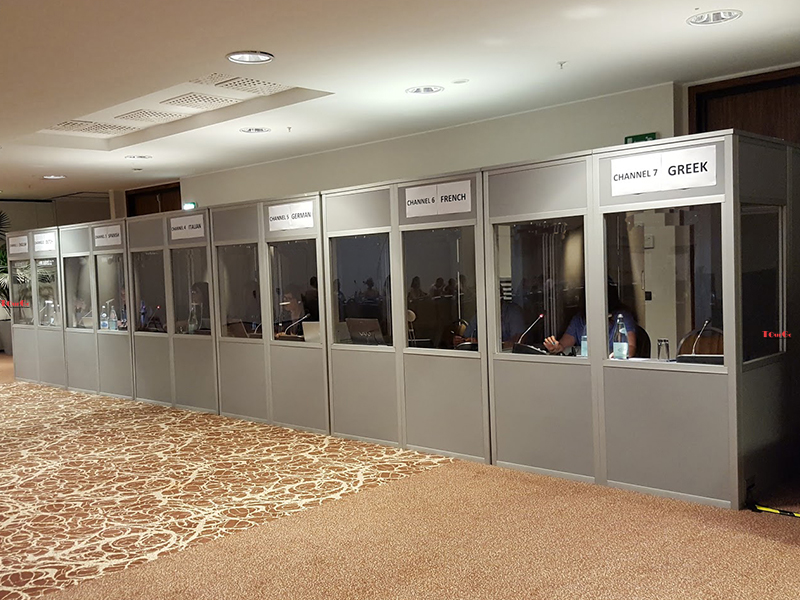
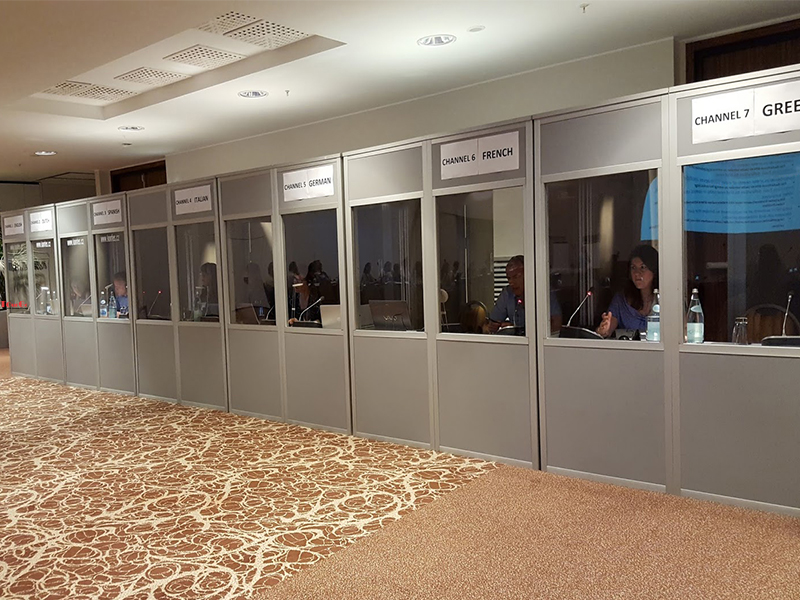
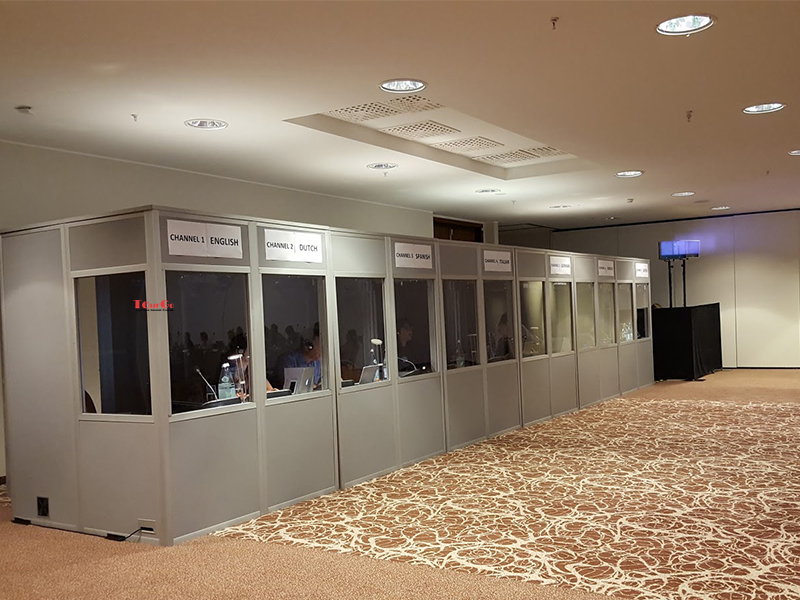
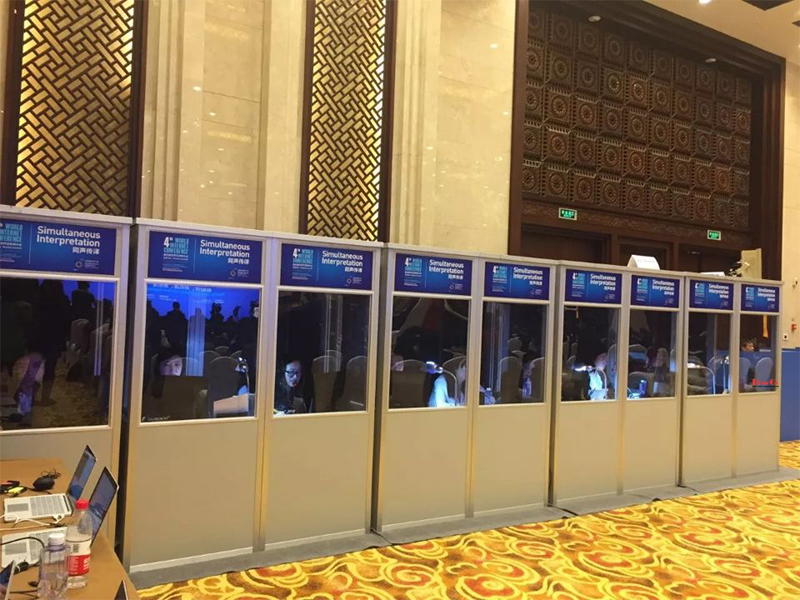
TourGo ‘s interpretation booth used for international conference
Post time: Apr-02-2026