
TourGo Translation Booth for Simultaneous Interpreting?
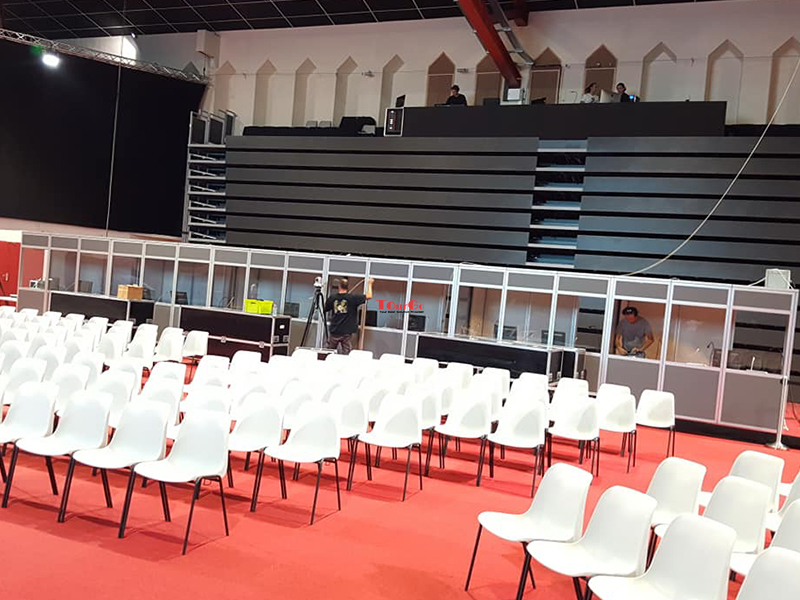
Simultaneous interpreting is the most common form of interpreting at international events. The interpreters work in booths. For simultaneous interpreters, the interpreting booth is therefore the (almost) daily workplace. This can be a mobile or a permanently installed booth.
A simultaneous interpreter interprets for a maximum of about 40 minutes at a time, if the event ends afterwards or there is a longer break. For all-day events, two, sometimes three or even four interpreters take turns. Transportable or fixed two-person booths are therefore most common, but there are also single or three-person booths. At international events, a team of two interpreters per language and one booth per team of two is usually used. The number of interpreting booths thus corresponds to the number of languages to be interpreted.
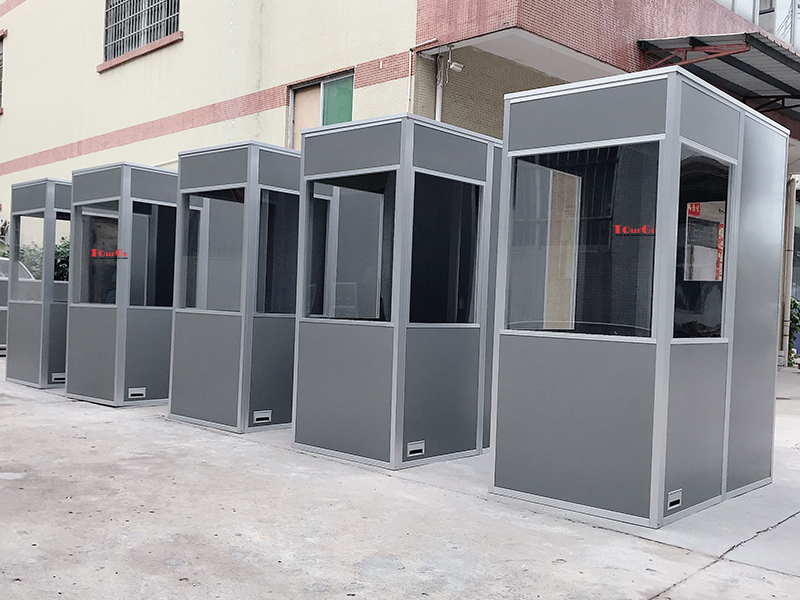
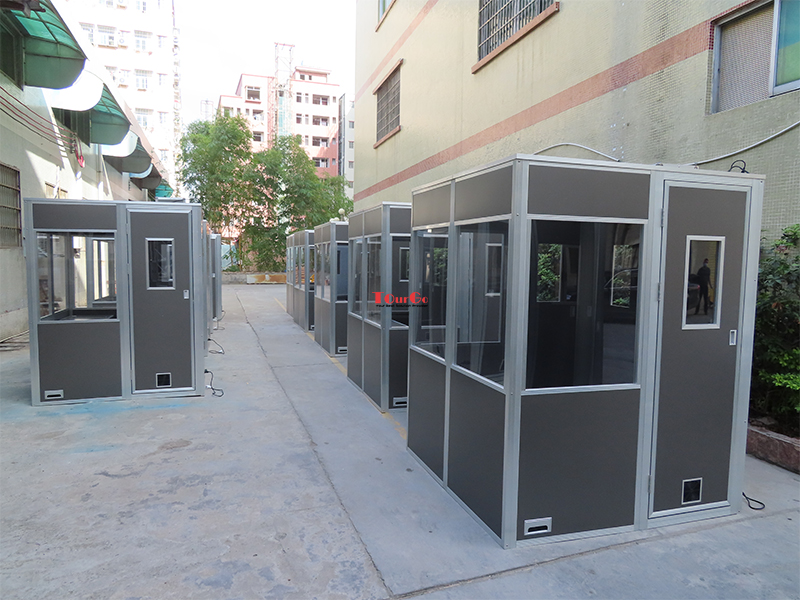
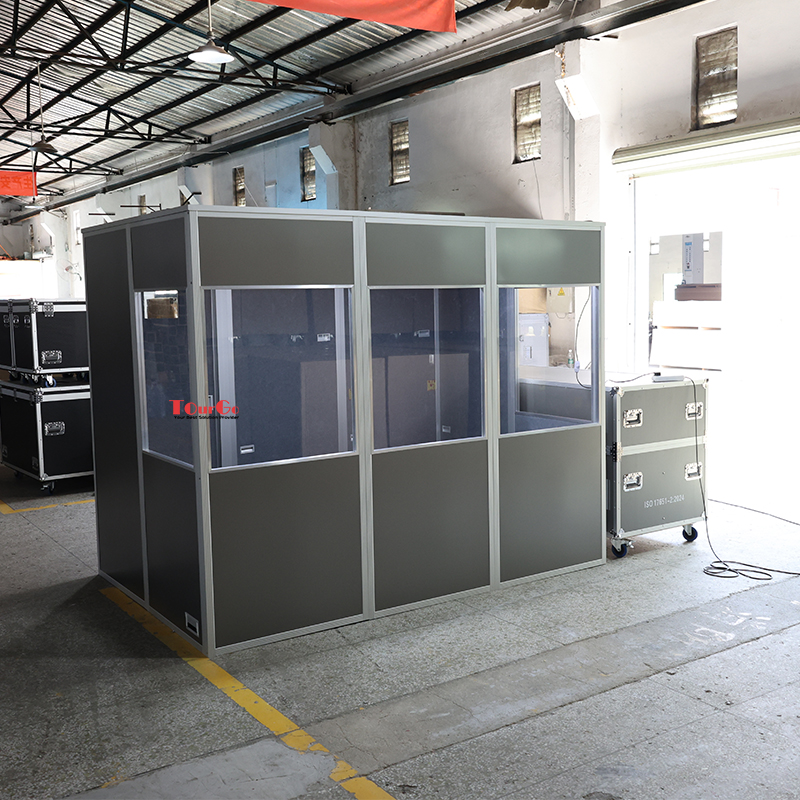
Why need interpreting booths?
Simultaneous interpreting takes place in real time, i.e. the simultaneous interpreter speaks at the same time as the speaker. Without booths, therefore, two people would speak in the same room at the same time and no one would understand anything. This problem would be exacerbated if interpreting into several languages took place at an event. This is not the only reason why interpreting booths are used at international events. In summary, interpreting booths offer several advantages:
1, Avoidance of disturbances: Modern booths are (almost) soundproof. This means that the interpreters do not disturb the participants who are listening to the original with their interpretation. Conversely, the interpreters are not disturbed by noises in the room (whispering, coughing, sneezing, etc.).
2, Avoiding interference: At conferences and events, several interpreters can interpret simultaneously into different languages. By using interpreting booths, interference between interpreters can be avoided as they work in (acoustically) separate rooms.
3, Improved acoustics: booths are often designed to provide optimal acoustics to maximise the intelligibility of the interpretation and minimise background noise.
4, Sufficient space: In an interpreter’s booth there is sufficient space for the interpreter’s desks and the interpreter’s working material. In addition to the interpreting desks, the interpreters always have their laptop with the prepared terminology and writing material.
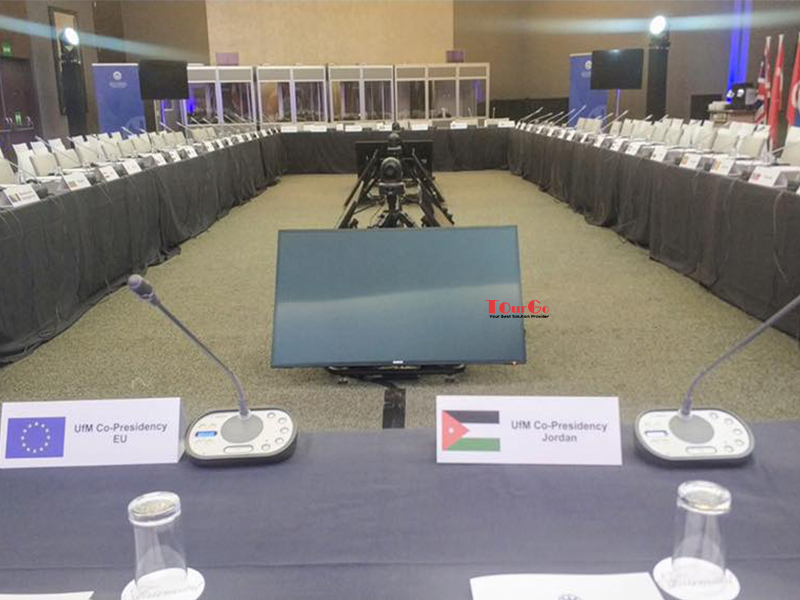
Requirements for interpreting booths
The most important standards and guidelines for interpreting booths are laid down in ISO 2603 and ISO 4043. The requirements for fixed (stationary) and mobile (transportable) interpreting booths differ. Regardless of the standards, interpreting booths should meet these requirements:
1, Size and equipment: The minimum size of interpreting booths should be such that the interpreter has enough space to work comfortably.
2, Soundproofing: booths must be soundproof so that the interpreter is not disturbed by ambient noise and the interpretation is clear and understandable for the participants.
3, Visibility: booths must be designed so that the interpreter can clearly see the speaker or presentation he or she is interpreting. This can be achieved by glass windows or monitors.
4, Ventilation and air-conditioning: The standards require interpreting booths to have adequate ventilation and air-conditioning. Simultaneous interpreting requires maximum concentration. Poor, stuffy air is a hindrance to this.
5, Electrical supply: The booths must have a reliable power supply to ensure the operation of the interpreters’ desks and other technical equipment (e.g. the interpreters’ laptops).
Do you have any questions about interpreting booths or simultaneous interpreting? Get in touch with us. We look forward to hearing from you!
Post time: May-20-2026